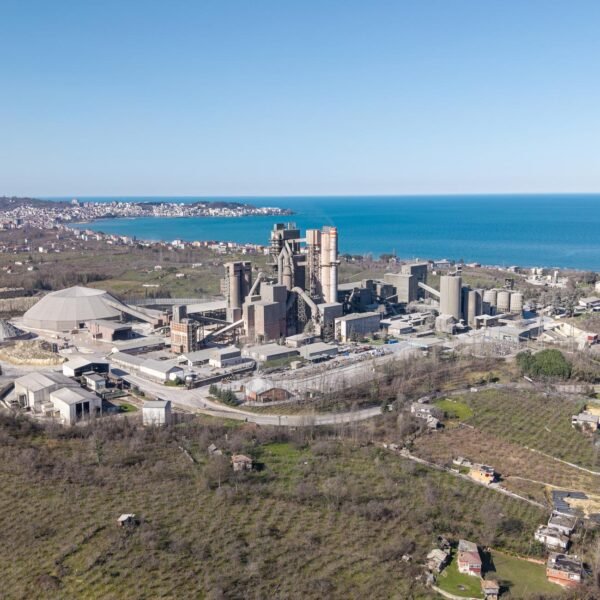
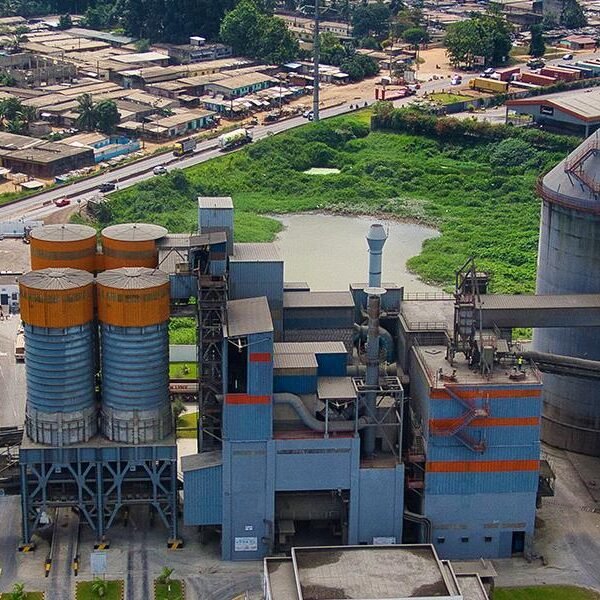
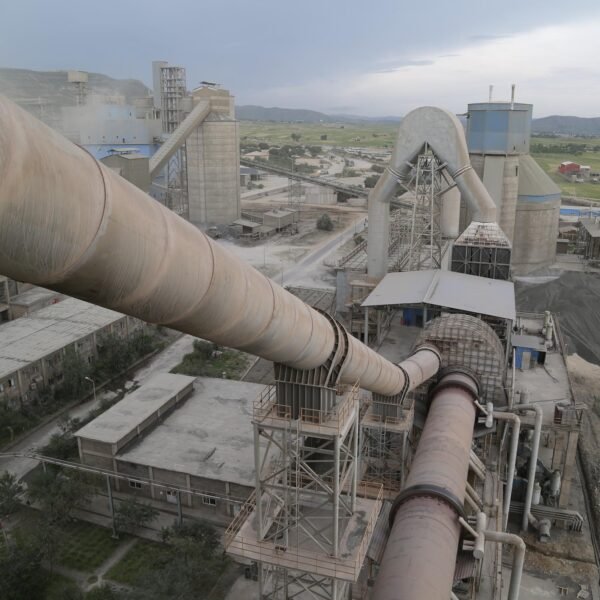
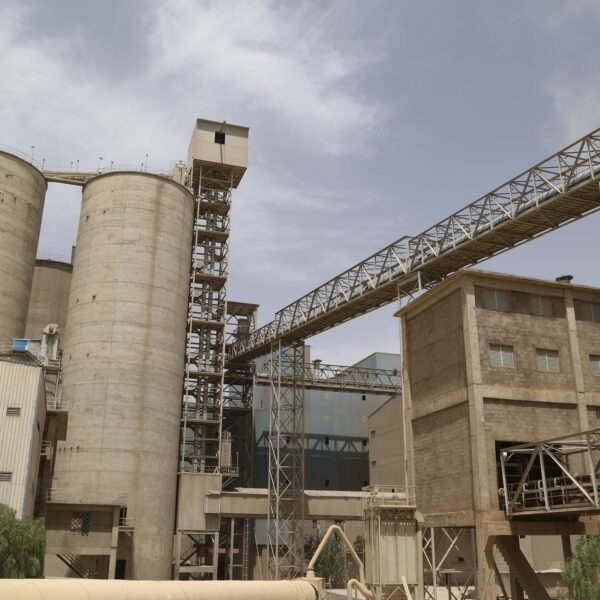
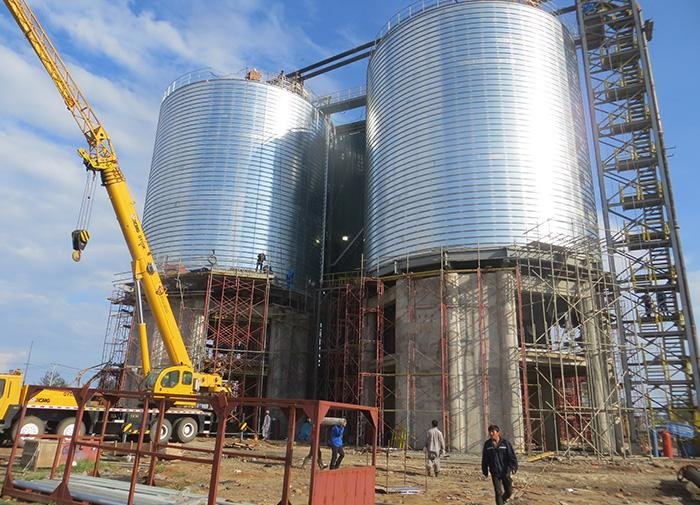
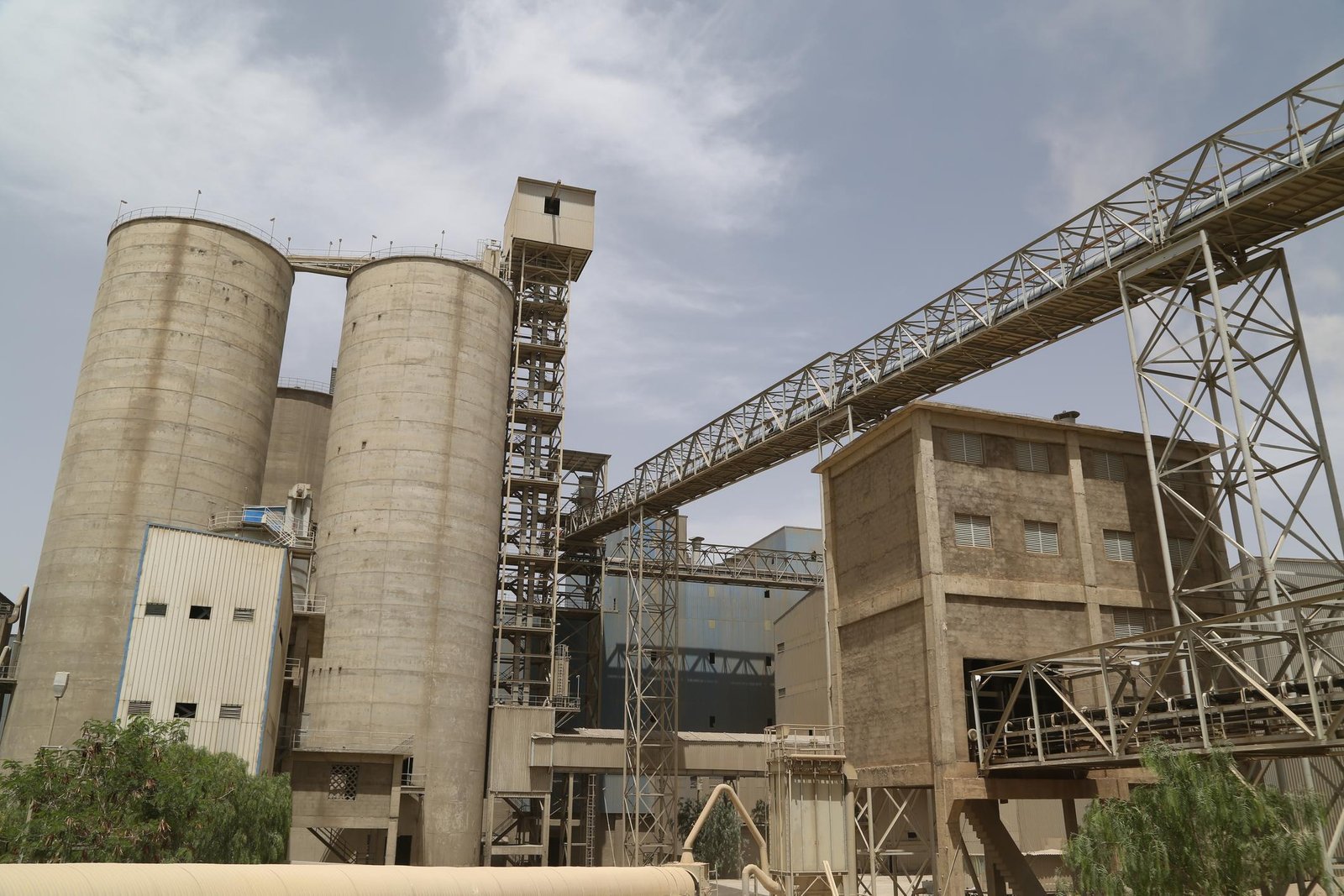
The facility, developed by West China Cement, is expected to produce up to 2 million tonnes of clinker annually and 3 million tonnes of cement per year once it reaches full operational capacity. According to company chairman Zang Jiewen, the plant is projected to generate approximately $300 million in annual revenue and create over 3,500 jobs.
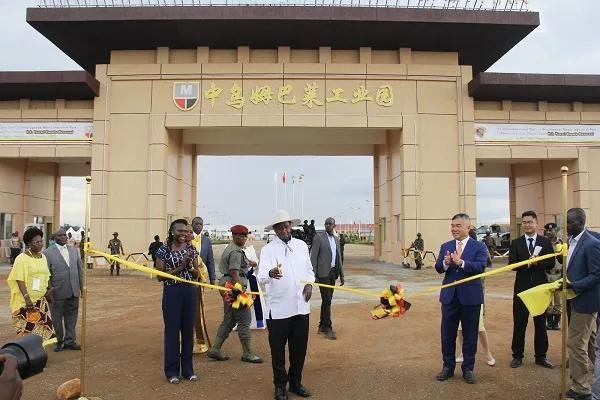
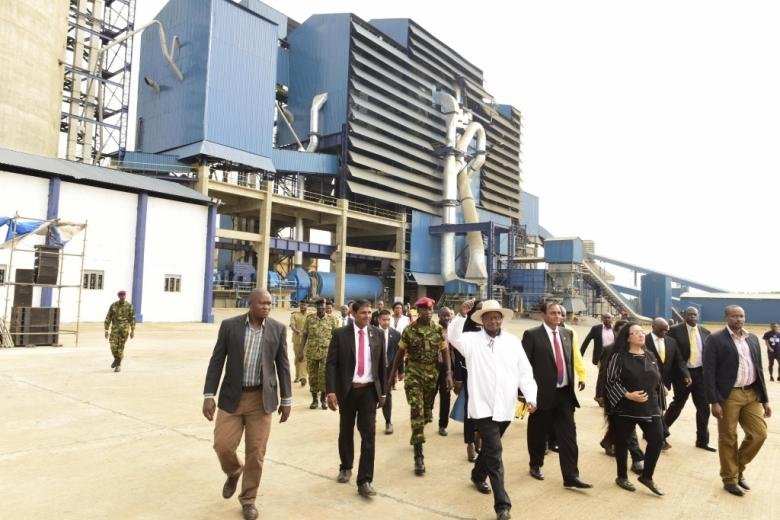
Speaking during the commissioning ceremony, President Museveni described the project as a strategic investment that will support Uganda’s infrastructure expansion while strengthening the country’s industrial base. He noted that producing clinker locally will significantly reduce import dependence and lower construction costs across the region.
Company officials confirmed that the plant will rely primarily on locally sourced limestone and mineral inputs, positioning Uganda to meet domestic demand and expand exports to neighboring markets. The facility is expected to play a key role in supplying cement for roads, housing, energy infrastructure, and regional development projects.











 Ssonko AbasiApril 26, 20261 Mins read32
















Leave a comment