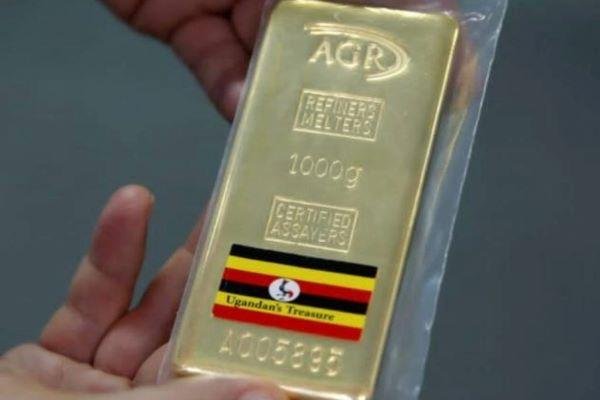
The Bank of Uganda has launched a three-year pilot program to purchase domestically mined gold, marking a strategic shift in reserve management as the country seeks to diversify its foreign exchange holdings and strengthen macroeconomic resilience.
The initiative positions Uganda alongside regional peers such as Kenya and Democratic Republic of the Congo, which are increasingly incorporating gold into official reserves to reduce exposure to traditional reserve currencies and external volatility.
According to the central bank, the program is designed to support multiple policy objectives. These include diversifying reserve assets through locally sourced gold, improving overall reserve adequacy, and strengthening resilience against global financial shocks. Authorities also expect the initiative to accelerate formalization of the gold value chain, promote domestic value addition, and enhance traceability systems across the sector.
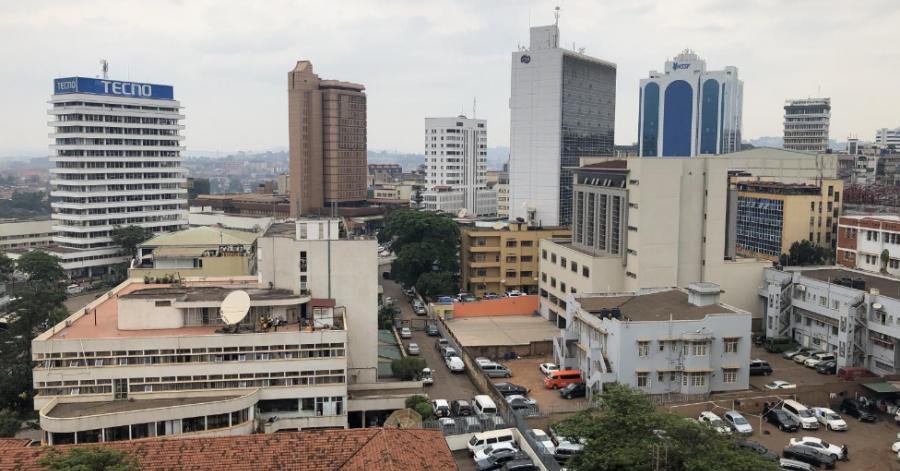
Uganda has rapidly emerged as a regional gold trading and refining hub, with exports reaching approximately $5.8 billion last year, representing a 76% increase compared with 2024.
Despite this strong export performance, production remains largely dominated by artisanal and small-scale miners, highlighting the importance of policy interventions aimed at integrating informal operators into regulated supply networks.
Analysts view the move as part of a broader continental trend in which African central banks are increasingly leveraging strategic mineral assets to reinforce reserve stability, support currency confidence, and deepen linkages between extractive industries and national financial systems.












 Ssonko AbasiApril 21, 20261 Mins read30


















Leave a comment