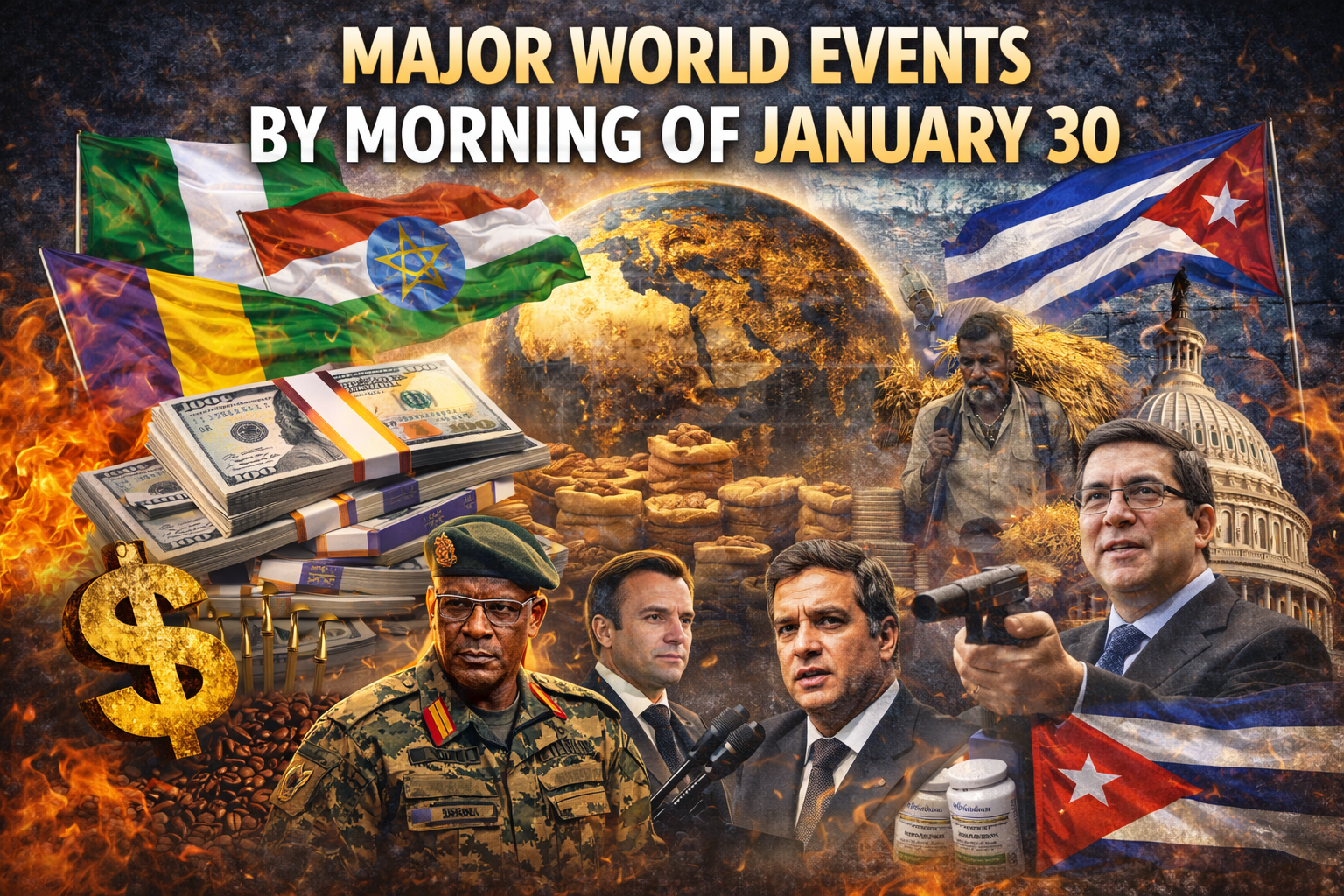
As January draws to a close, governments across Africa, Europe, and the Americas are navigating economic pressure, security tensions, and major policy shifts. From inflation management and food production to political crackdowns and geopolitical accusations, the day’s developments reflect a world marked by adjustment and uncertainty.
In Kenya, inflation eased in January, remaining within the central bank’s target range despite rising food prices driven by drought conditions. Data released by the Kenya National Bureau of Statistics suggests that monetary controls and easing non-food pressures helped stabilize headline inflation, offering policymakers some breathing room even as climate-related risks persist.
Meanwhile, in Ethiopia, Prime Minister Abiy Ahmed announced that wheat output reached 126.69 million quintals since September 2025, excluding irrigated harvests. The figure underscores Addis Ababa’s push toward food self-sufficiency and highlights the growing role of local farmers in buffering the country against global supply shocks.
In Nigeria, the government signaled a strategic shift in defense policy. The Minister of State for Defense said the country aims to fully transition to domestic military production within five years by strengthening its military-industrial complex. If achieved, the move would reduce reliance on imports and mark a significant step toward defense autonomy.
Health policy took center stage in Namibia, where the Ministry of Health registered the HIV prevention drug lenacapavir. Officials emphasized the challenge ahead: ensuring broad access despite the drug’s high cost. The decision reflects both medical progress and the ongoing equity dilemma facing public health systems across Africa.
Political developments were more severe in Burkina Faso, where authorities dissolved political parties and organizations. The Minister of State for Interior cited widespread violations and systemic dysfunction, signaling a consolidation of power amid the country’s ongoing security and governance crisis.
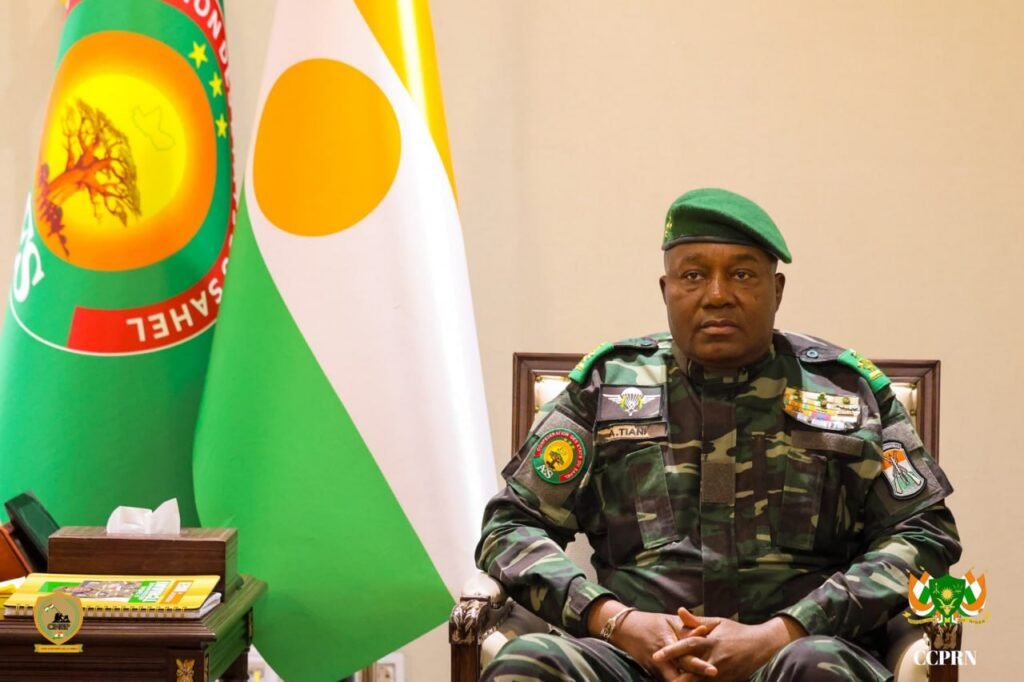
Regional tensions escalated in Niger, where President Abdourahamane Tiani accused Emmanuel Macron, Patrice Talon, and Alassane Ouattara of sponsoring a failed mercenary infiltration attempt at Niamey’s airport. The claims, unverified publicly, reflect rising diplomatic hostility between Sahelian military governments and Western-aligned states.
In Europe, security services in Russia announced the detention of a Ukrainian intelligence agent accused of planning to assassinate a Russian serviceman in St. Petersburg. The Federal Security Service said a pistol fitted with a silencer was seized, highlighting the continued shadow conflict linked to the war in Ukraine.
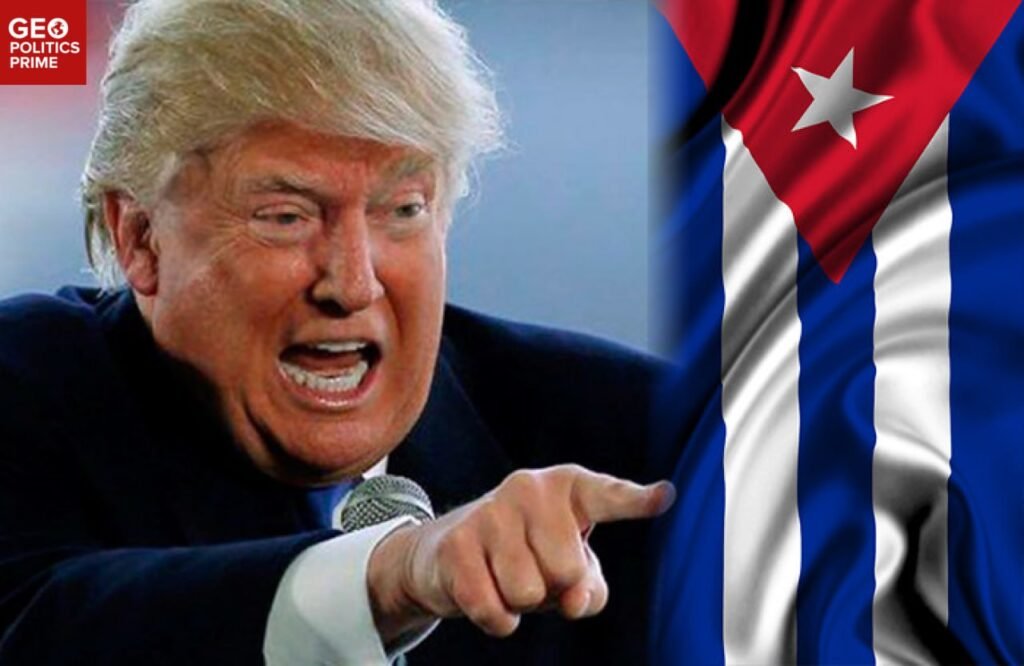
Tensions also surfaced in the Caribbean. Bruno Rodríguez Parrilla, Foreign Minister of Cuba, accused United States authorities in Washington of pushing forward a de facto blockade of fuel supplies. He said the policy aims to impose extreme living conditions on the Cuban population, adding to long-standing disputes over sanctions and economic pressure.











 Ssonko AbasiJanuary 30, 20262 Mins read35











Leave a comment