Medical experts say the argument reflects a misunderstanding of how the human body processes light and manages sun exposure.
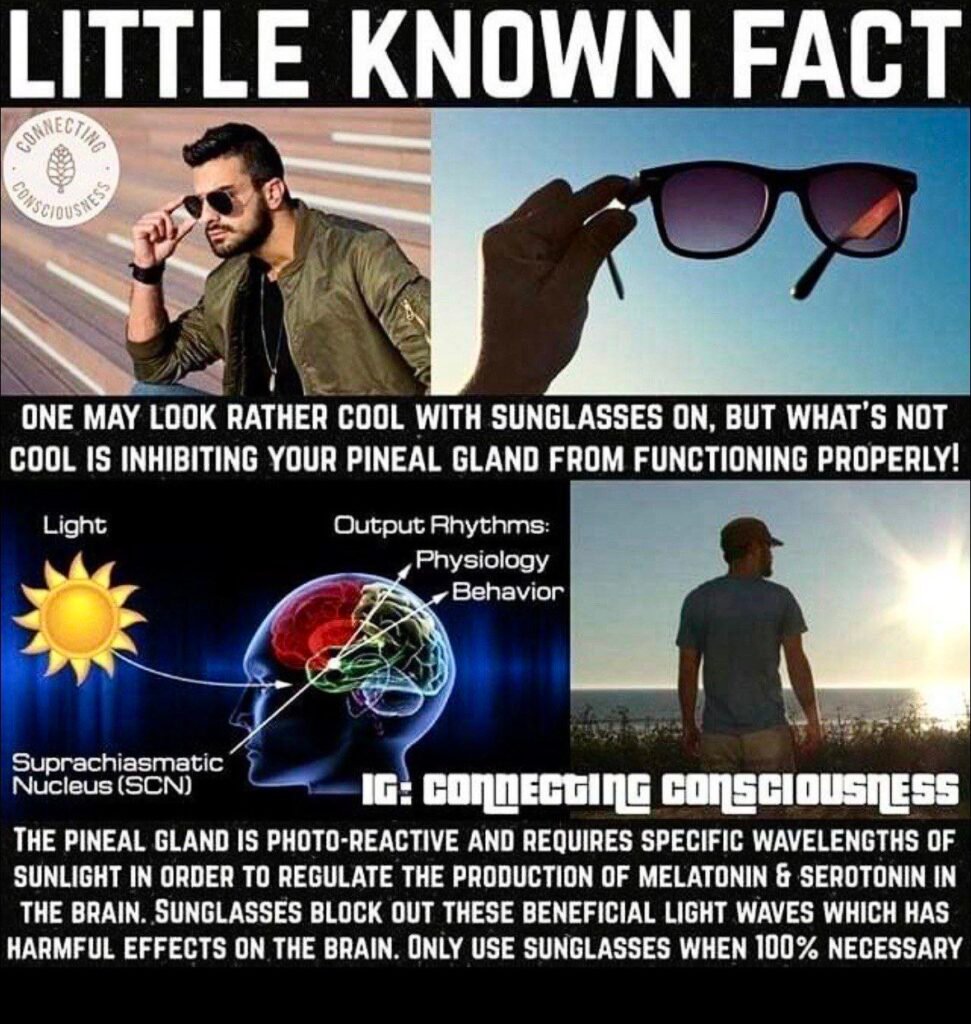
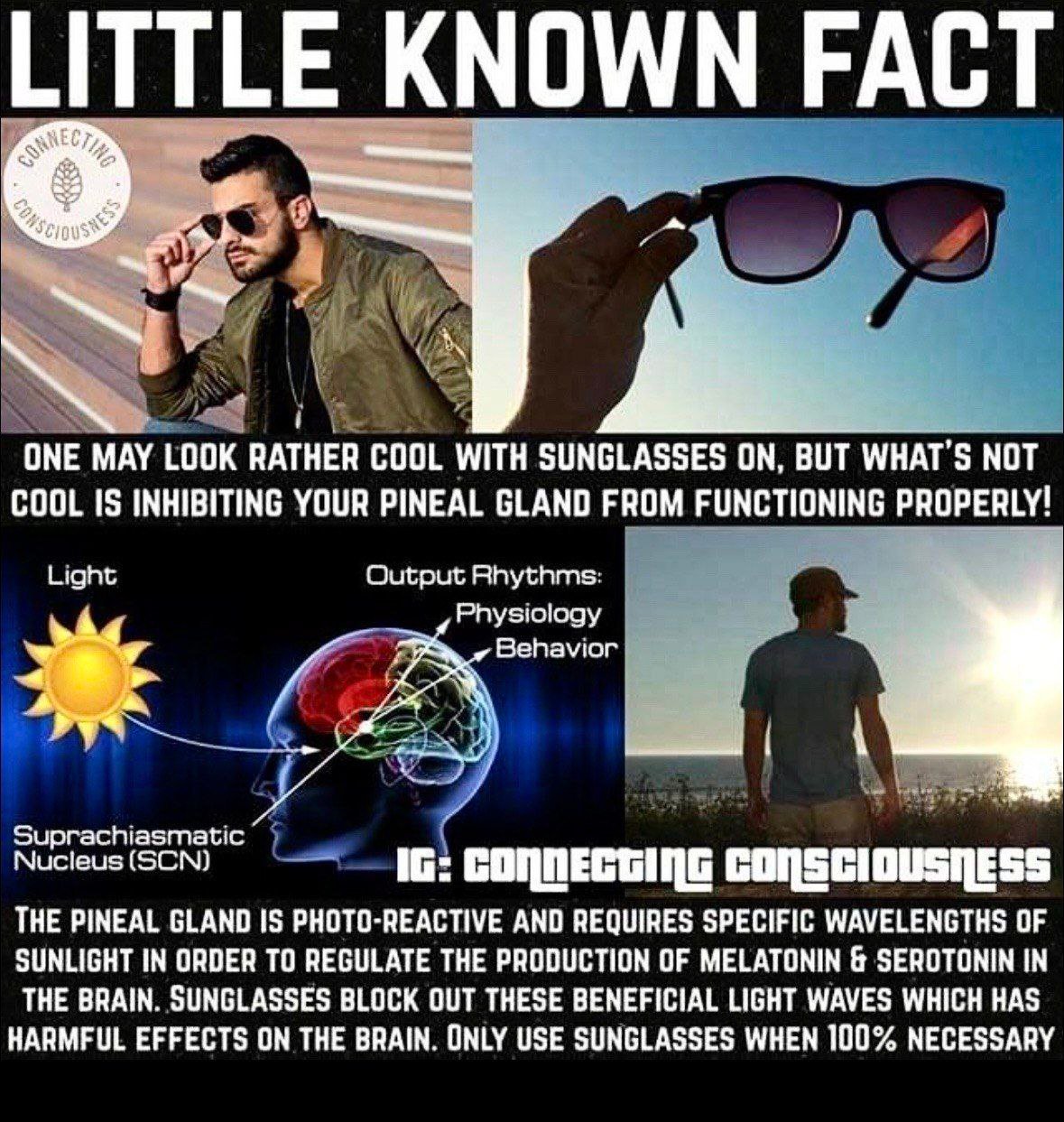
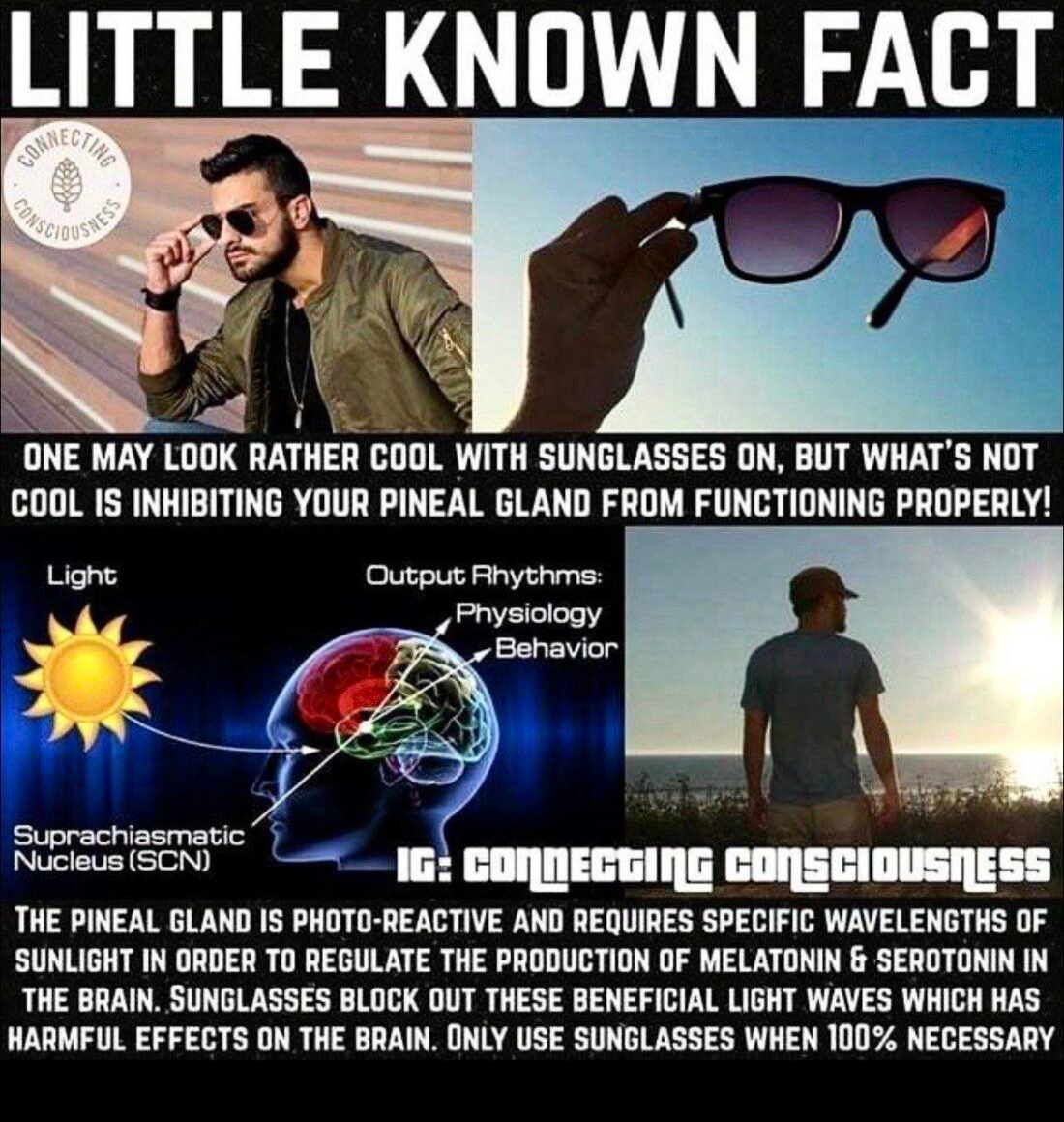
The theory asserts that when sunlight enters the eyes, it stimulates the pineal and pituitary glands, signaling the brain that conditions are sunny. According to the claim, this signal prepares the skin for sun exposure and vitamin D synthesis. Wearing sunglasses, proponents argue, allegedly deprives the brain of this signal, preventing proper physiological adaptation and increasing the risk of skin damage.
Health specialists, however, caution that such interpretations stretch limited scientific observations into unsupported conclusions.
“The problem with viral health claims is not curiosity, but certainty without evidence,” said Zahra Abdirahman, a health policy analyst. “When complex biological systems are reduced to slogans, the public is left with fear instead of facts.”
What the Evidence Indicates
Researchers acknowledge that light exposure plays a role in regulating circadian rhythms, primarily through specialized retinal cells that respond to changes between light and darkness. However, experts emphasize that this mechanism does not require direct ultraviolet exposure and does not control vitamin D synthesis in the skin.
“Vitamin D production is a skin-based process triggered by UVB radiation, not by light entering the eyes,” explained Dr. Erdiris Ahmed, a clinical physician. “There is no credible medical evidence linking sunglasses to vitamin D deficiency or skin cancer.”
Ophthalmologists further note that prolonged UV exposure to the eyes is associated with increased risk of cataracts, retinal damage, and macular degeneration—conditions sunglasses are specifically designed to prevent.
Skin Cancer and Sun Exposure
Dermatology experts stress that decades of epidemiological research identify excessive and unprotected ultraviolet exposure as the primary environmental risk factor for skin cancer. Suggesting that sunglasses contribute to the disease, they warn, risks undermining established public health guidance.
“Blaming sunglasses for skin cancer reverses the science,” said Dr. Uzairu, a dermatologist. “Protective measures—sunglasses, hats, and controlled sun exposure—exist precisely because UV radiation can damage both skin and eyes.”
Why Such Narratives Spread
Health communicators note that claims invoking lesser-understood organs, such as the pineal gland, often gain traction because scientific uncertainty is misinterpreted as scientific endorsement.
While researchers continue to study the full range of hormonal and neurological responses to light, experts agree that current evidence does not support avoiding sunglasses as a health strategy.
The Public Health Consensus
Global health authorities continue to recommend sunglasses that block 100 percent of UVA and UVB rays as part of comprehensive sun safety, particularly in regions with intense sunlight.
As misinformation spreads rapidly through digital platforms, experts urge readers to approach sensational health claims with caution and to rely on peer-reviewed research and qualified medical guidance.
Lexico Health remains committed to evidence-based reporting and informed public discourse on health and science.











 Ssonko AbasiDecember 25, 20252 Mins read206






















Leave a comment