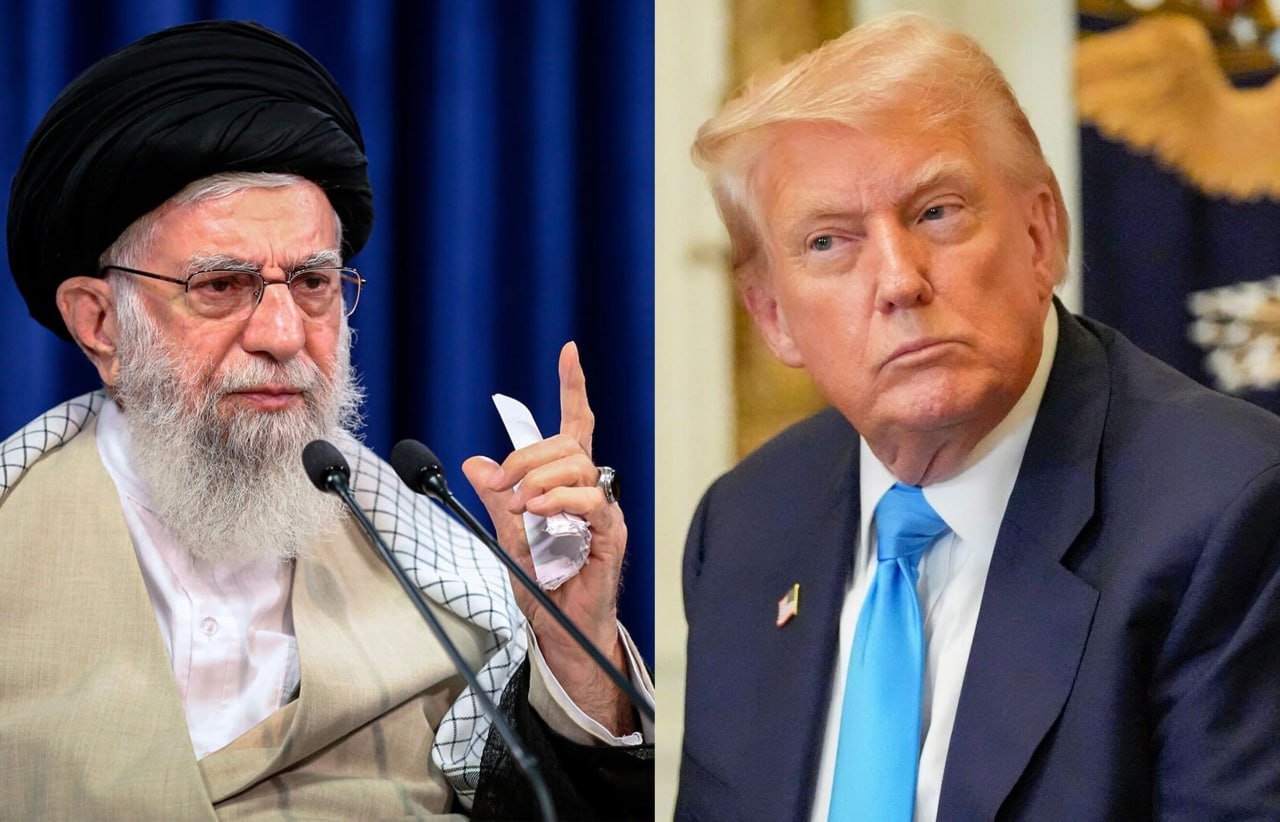
As tensions between Iran and the United States continue to escalate, Tehran’s most powerful deterrent does not lie in a single decisive military strike, but in its ability to apply sustained, calibrated pressure across multiple domains, according to regional security expert Imad Salamey.
Speaking on the evolving confrontation, Salamey argued that Iran’s defense doctrine is built around a “layered, deniable pressure campaign,” rather than overt escalation. This approach, he said, combines limited direct action—such as missile and drone launches—with proxy-based operations across Iraq, Yemen, and Lebanon. The objective is to keep U.S. forces under constant strain, raise operational costs, and complicate attribution, while avoiding steps that could trigger a full-scale American military response.
Salamey emphasized that Tehran’s most consequential capability lies in its potential to disrupt maritime trade and energy flows, particularly through the Strait of Hormuz, one of the world’s most critical oil transit routes. In addition, pressure in the Red Sea and the Bab el-Mandeb Strait, supported by Iran-aligned Houthi forces, significantly expands the scope of disruption beyond the Gulf.
Iran’s military toolkit enables what Salamey described as a “scalable, repeatable, and hard-to-stop” campaign. This includes large numbers of relatively low-cost drones that are difficult to intercept at scale, short- and medium-range missiles and cruise missiles capable of striking military infrastructure, and a range of asymmetric naval assets such as fast attack boats, sea mines, unmanned vessels, and ship seizure operations. Cyber and electronic warfare capabilities, along with allied rocket and mortar fire across the region, further reinforce this layered approach.
The strategic value of these capabilities, Salamey noted, lies not in outright victory, but in uncertainty. By threatening oil shipments and commercial shipping lanes, Iran can internationalize the cost of confrontation, placing pressure not only on Washington but also on U.S. partners and global markets.
“The most strategically valuable weapon for Iran is disruption of oil and commercial shipping—because it spreads the cost globally and keeps escalation ambiguous.”
In this framework, escalation is not binary. It can be dialed up or down, calibrated to signal resolve while maintaining deniability. For Iran, Salamey concludes, control over key maritime chokepoints remains the central pillar of its strategic leverage in an increasingly volatile regional environment.










 Ssonko AbasiJanuary 30, 20261 Mins read39














Leave a comment